R-19 vs R-25 for Your Metal Building: How to Pick Without Overspending
A plain-English guide to choosing between R-19 and R-25 for a metal building. When each one is the right call, what the real cost difference looks like on the invoice, and where the extra R usually earns its keep.
By John P. Barber, Founder · Published July 23, 2026 · 7 min read
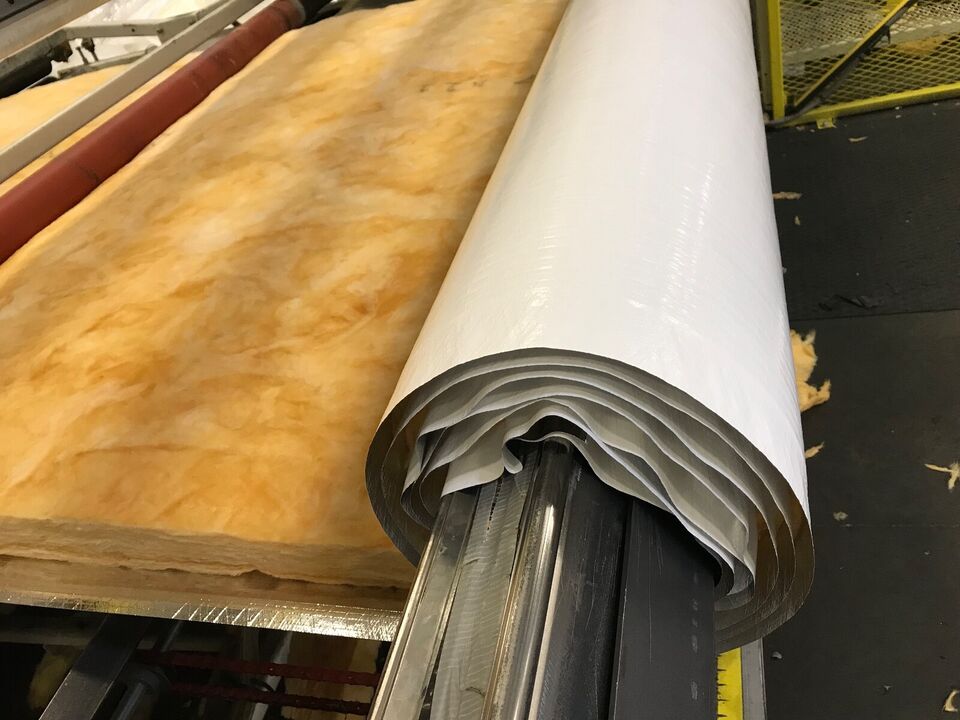
The two most common R-values ordered for metal-building roofs are R-19 and R-25. Every buyer who calls asks some version of the same question: which one is right for my build, and how much does the upgrade cost? Here is the plain-English answer, without the sales pitch.
Quick Answer
If your metal building will be heated year-round in a cold climate, order R-25 for the roof. Otherwise, R-19 is almost always the right pick. That is the short version. The longer version is below, because the honest math changes depending on the climate, the use, and the roof design.
What R-19 and R-25 Actually Are
R-value measures how well insulation slows heat from moving through it. Higher R-value means slower heat flow. Both numbers describe fiberglass rolls of the same material — spun glass with a facing laminated to one side. The only physical difference is thickness:
- R-19 — 6 inches thick, roughly R-3.2 per inch
- R-25 — 8 inches thick, same R-3.2 per inch, just deeper
Same glass, same facing options, same install method. R-25 is simply two more inches of the same thing. That is why the cost premium is real but modest — you are paying for extra material, not a different product.
When R-19 Wins
R-19 is the workhorse for metal buildings in five common situations:
- Unheated storage buildings — the goal is condensation control, not thermal comfort. R-19 delivers more than enough for that. R-25 spends money on winter heat loss that never happens.
- Shops used occasionally in winter — if you fire up a stove for a Saturday project and let the building cool the rest of the week, R-19 handles the load without the R-25 premium ever earning back.
- Warm climates (IECC zones 1–3) — Florida, Gulf Coast, Southwest. Winter heat loss is minimal; the summer cooling load dominates. R-19 plus a reflective facing (WMP-50) or a radiant barrier does more for the summer than R-25 alone would.
- Agricultural buildings with livestock — airflow requirements often exceed what tight insulation can hold. R-19 with proper ventilation beats R-25 with cut corners.
- Roofs with existing attic ventilation — if the assembly has a vented attic between the ceiling and the roof deck, adding R above the ceiling matters, but the ceiling itself does not need R-25 to perform.
When R-25 Earns the Premium
R-25 pays back in four specific scenarios:
- Year-round conditioned buildings in cold climates (IECC zones 5, 6, 7, 8) — northern Midwest, Rocky Mountain, New England. Every winter month you heat, the extra 2 inches of insulation cuts fuel or electricity cost. On a 5,000 sq ft building in a cold zone, R-25 typically pays back the $1,150 material premium in 3–5 years of heating bills.
- Cathedral-style ceilings with no attic above — when the ceiling is also the roof deck, moisture control and thermal loss both get harsher. Bumping to R-25 helps keep the interior side warm enough to prevent condensation on the deck.
- Buildings that will house people, not just tools — a shop that doubles as an office, a workshop with a small living quarters, a barndominium. Anywhere someone will spend the winter, R-25 makes the space more comfortable and the heating bill more manageable.
- Local energy code requirements — some jurisdictions require R-25 or higher on any conditioned roof. Check with your permit office before you order — nobody enjoys re-insulating a bay.
The Real Cost Difference on a 5,000 Sq Ft Roof
Using our calculator with VR-R Plus vinyl-faced fiberglass shipping to a mid-tier freight state, here is what the two options actually cost:
Difference: $1,150 for R-25 over R-19 on this specific job. That is real money — and worth paying only when the extra R actually earns back in reduced heating costs.
Wall R-Value: Almost Always Lower Than the Roof
The roof loses more heat than the walls in almost every climate, because heat rises. That means the roof should always be equal to or greater than the walls in R-value. Common pairings by climate:
- Mild climate: R-11 walls, R-19 roof
- Moderate climate: R-13 walls, R-19 roof
- Cold climate: R-19 walls, R-25 roof
- Very cold climate: R-19 walls, R-30 roof
Spending on R-25 walls when your roof is R-19 is money in the wrong place — you are throttling the assembly at its weakest point.
The Honest Rule of Thumb
If you have to think about it more than twice, order R-19. R-25 is a specific answer to a specific problem — year-round heat loss in cold climates. Buildings that will not see continuous winter heating will rarely see the payback from the R-25 premium.
When you are not sure, call us before you order. Tell us the state, the intended use, and whether you will heat the building. We will spec the R-value that fits your job, not the one with the biggest price tag.
Deeper Reference
Related technical guides
Ready to price R-19 or R-25?
The calculator on the homepage takes about a minute. Enter your square footage, pick the R-value, and get the mill rate, freight, and fair-fee range as three unbundled lines.